
It’s a Matter of Survival – Can We Address the Health Risks of Climate Change in Time?
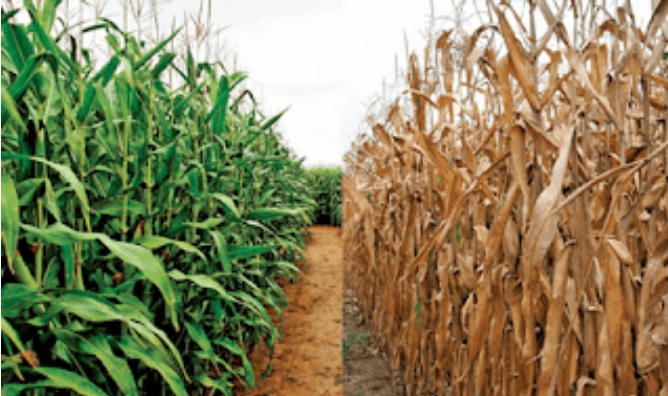
Image comparing successful and dry crops. Image taken from Conservation in a Changing Climate.
The focus of climate change has been increasing exponentially over the years, and believers of climate change know that action must be taken yesterday to reverse the damage we’ve done to the earth.
But, what about humans? The health effects of climate change are lesser known and arguably under published.
The WHO South East Asian region comprises 11 member states, including Bangladesh, the Democratic People’s Republic of Korea, Bhutan, India, Maldives, Indonesia, Nepal, Myanmar, Sri Lanka, Timor-Leste, and Thailand. Sadly, Myanmar and Thailand are among the top ten countries most severely impacted by climate change in the world.
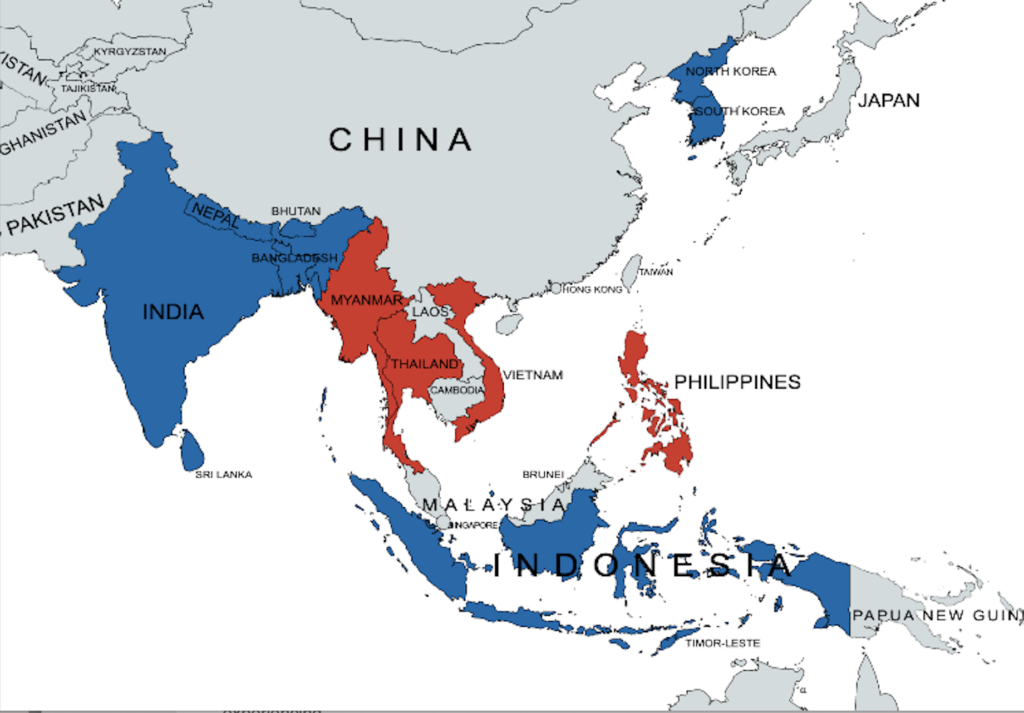
Map showing the WHO South East Asia member states in blue and countries most impacted by climate change in red. Note: Myanmar and Thailand are also WHO South East Asia member states. Created with mapchart.net.
South East Asia is known to have a relatively tropical climate, with temperatures remaining above 25C throughout most of the year. However, with climate change, this average annual temperature has increased year on year since 1960. Beyond temperatures rising, there are other equally or more serious implications from climate change that this region is experiencing.
But what should policy makers focus on first when the impacts of climate change are so broad? Our answer: precipitation patterns and water shortages.
Precipitation events in the future are mixed in South East Asia, with some regions experiencing more precipitation and others expecting a large decline in rainfall.
And why do policy makers need to focus on adapting to changing precipitation patterns?
Extreme precipitation floods crops which leads to lower crop yields, or even complete crop failure. When crops flood, people are left with significantly less sustenance to live off and are exposed to a range of waterborne illnesses.
However, the opposite scenario doesn’t present a better future. Declining precipitation patterns can also lead to crop failure and lower crop productions due to arid land. For the people, they are still left hungry, but are now also thirsty due to a lack of water.
It is common knowledge that food and water are the basis of human survival. In fact they are THE most basic need according to Maslow’s hierarchy of needs (pictured below).
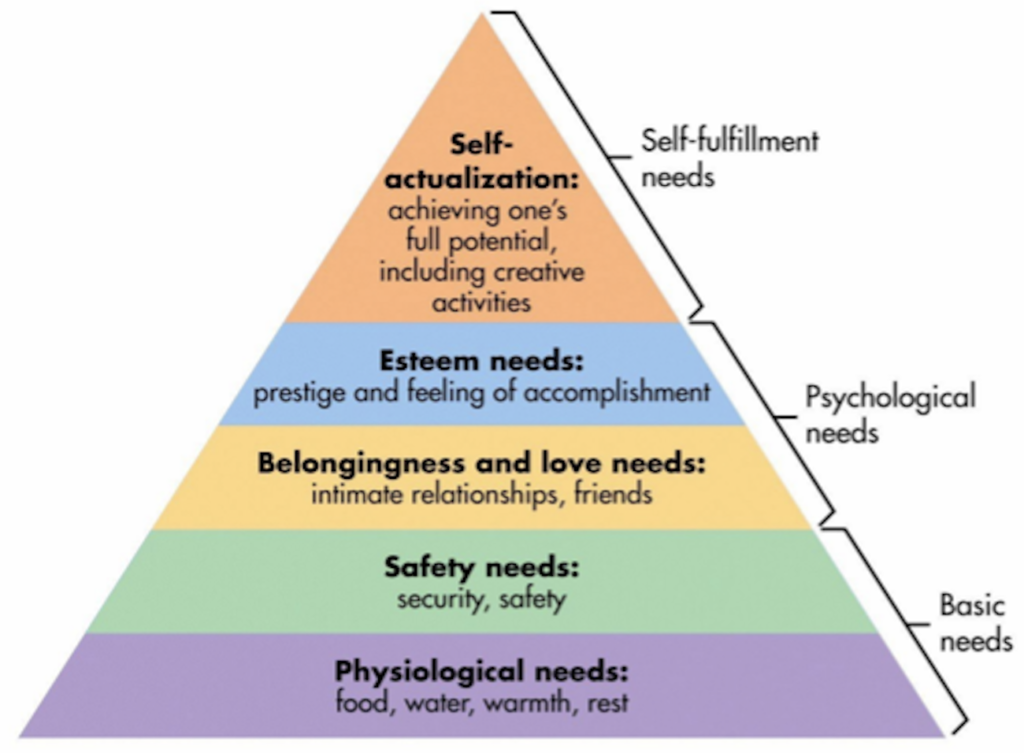
Maslow’s Hierarchy of Needs. Image taken from Simple Psychology.
So what do policy makers really need to do?
When most of the South East Asian member states local governments have a low level of awareness in the measures that are being taken to address the health risks from climate change, the first step is to improve the monitoring of changing precipitation patterns, and their associated health risks and outcomes.
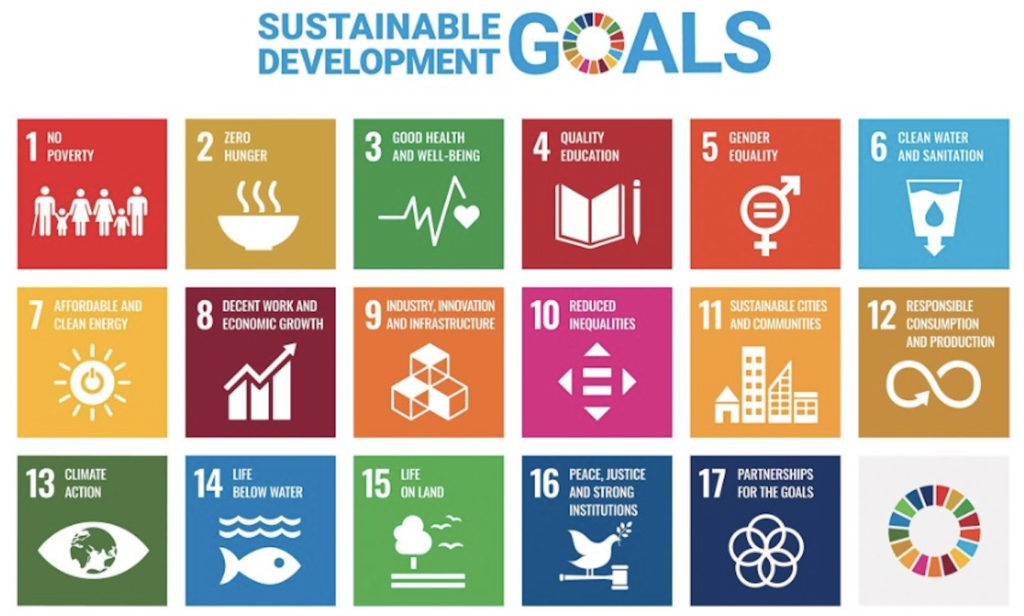
However, monitoring won’t change anything. We need to see local policy makers continuing to work with the WHO to implement more national public health policies that include climate change, that are linked to the SDGs, and are incorporated with the partner ministries (such as Water and Agriculture Ministries).
Moreover, local policy makers need to strengthen their implementation processes that are part of their identified health projects. Focussing on the who and when, responsibilities and finances are reported to be the biggest hurdles.
In the short term, we also want to see local policy makers engaging in prevention activities. These can range from the supply of safe drinking water, to the roll out of water saving technologies and introduction of drought-resilient crops.
It really is a matter of survival, but it’s a waiting game to see if policy makers can act fast enough.